Tag: amagarh safari

  • Shikar Aodi: A Glimpse into the Past at Jhalana Leopard Reserve

    Shikar Aodi: A Glimpse into the Past at Jhalana Leopard Reserve

    Journey into the heart of the Jhalana Leopard Reserve in Jaipur, and you’ll discover more than the mesmerizing wildlife that roams its rugged terrain. Deep within this natural sanctuary lies Shikar Aodi, a historical treasure that offers a fascinating glimpse into the past.

    A Hunting Lodge with a Rich History

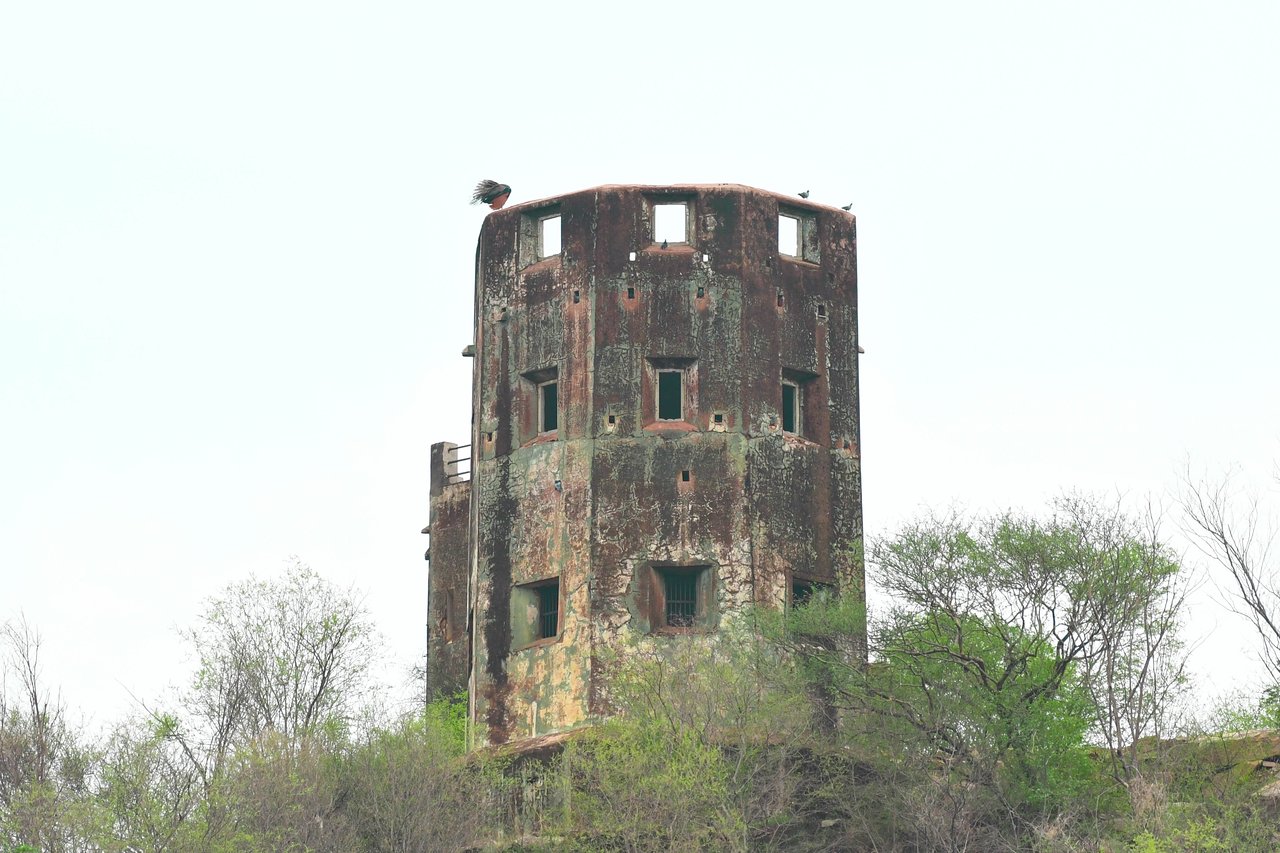
    Shikar Aodi, also known as the Shikar Audhi, is not just a building; it’s a testament to a bygone era. This majestic structure served as a hunting lodge, witnessing countless royal hunts before the transformation of Jhalana into a wildlife reserve in 1969.

    An Architectural Marvel

    As you approach Shikar Aodi, you’ll be struck by its architectural grandeur. The fort-like structure, constructed from imposing stones, showcases intricate detailing that reflects the craftsmanship of its time. Its elevated position provides sweeping views of the surrounding landscape, allowing you to appreciate the strategic advantage it once offered hunters.

    Shikar Aodi stands as a silent witness to the royal hunts that were a significant part of Rajasthan’s history. Maharajas and nobles would gather here for exhilarating hunting expeditions, adding to the lore and grandeur of the region.

    Today’s Shikar Aodi

    While the days of hunting are long behind us, Shikar Aodi has found a new purpose. It has been preserved as a historical site within the Jhalana Leopard Reserve, providing visitors with the opportunity to step back in time and appreciate the rich heritage of the region.

    Exploring Shikar Aodi

    Visitors to Jhalana Leopard Reserve can include a visit to Shikar Aodi as part of their safari experience. It’s a chance to not only witness the reserve’s stunning wildlife but also to pay homage to the history that shaped this land.

    As you walk through the corridors of Shikar Aodi and gaze out from its vantage points, you can’t help but feel a sense of connection to the past. It’s a place where the echoes of royal laughter and the thrill of the hunt still seem to linger in the air.

    Preserving the Legacy

    Shikar Aodi is a reminder of the evolving relationship between humans and nature. Today, it stands as a symbol of Rajasthan’s commitment to conservation and the protection of its wildlife. While the hunting has ceased, the wonder of the wild continues to thrive in Jhalana, making it a unique destination where history and nature converge.

    So, when you embark on a safari through Jhalana Leopard Reserve, take a moment to visit Shikar Aodi. It’s not just a historical relic; it’s a living testament to the enduring beauty of Rajasthan’s past and present.

    Explore the reserve, witness its incredible wildlife, and let Shikar Aodi transport you to a time when kings and nobles roamed these lands in search of adventure.

    Plan your journey to Jhalana, and let Shikar Aodi be a captivating stop on your wildlife adventure through this enchanting reserve.
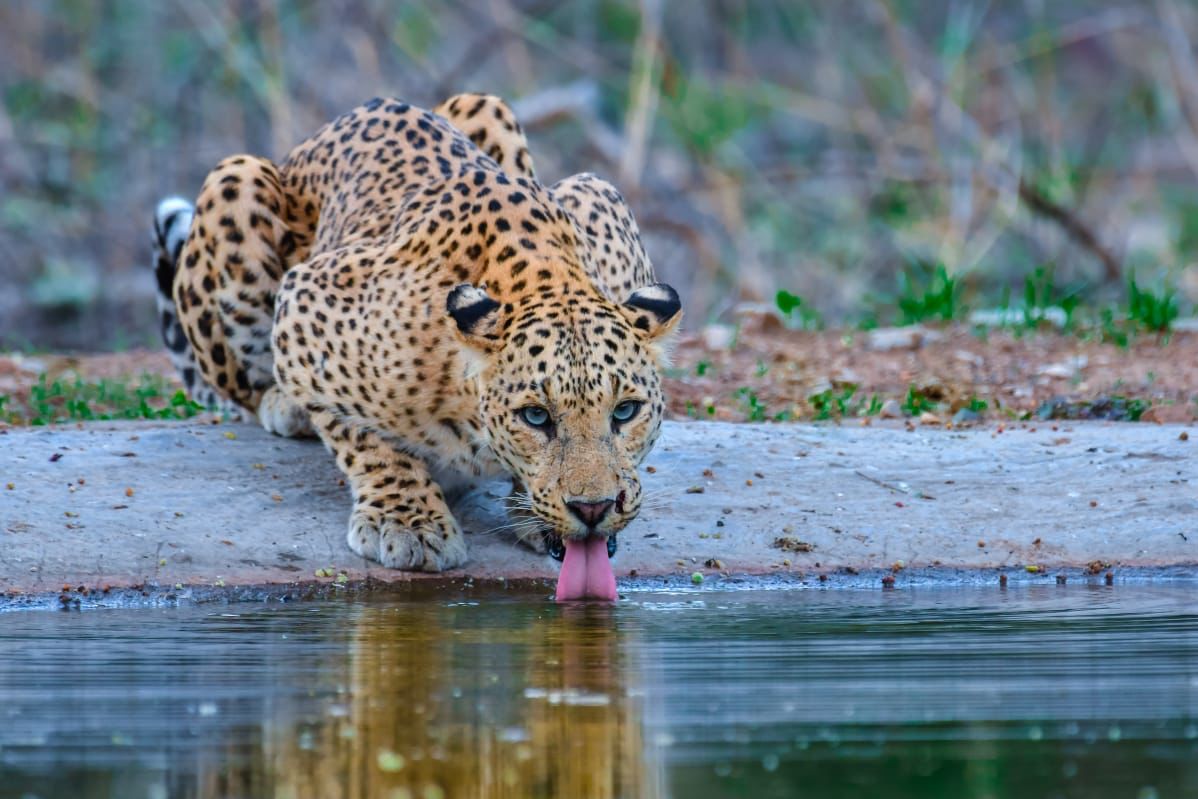
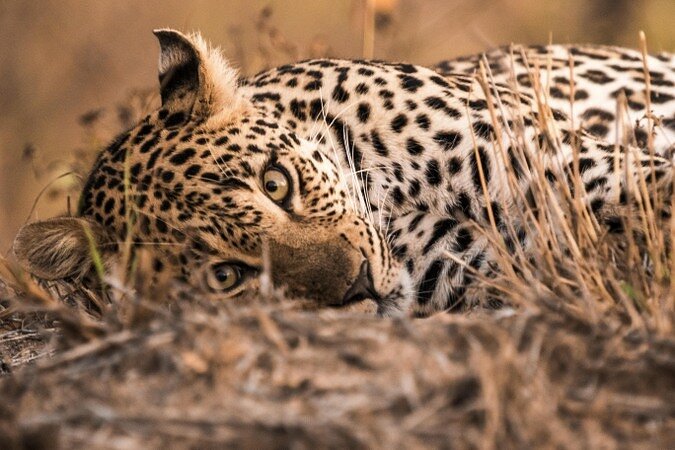
  • Answers to the questions about the jungle and leopards that guests might commonly ask during a safari:

    Answers to the questions about the jungle and leopards that guests might commonly ask during a safari:

    About the Jungle:

    1. What types of animals can we expect to see here?
      • You can expect to see a variety of animals such as leopards, hyena , fox deer species like chital and sambar, and a diverse range of bird species.
    2. Are there any specific plants or trees that are unique to this area?
      • Yes, the jungle is home to unique plant species like Dhok trees,Flora and fauna . which are adapted to the local climate and provide food and shelter for the wildlife.
    3. How does the jungle change during different seasons?
      • The jungle undergoes seasonal changes in terms of vegetation, animal behavior, and even the presence of migratory birds. For instance, during the monsoon, the jungle becomes lush and vibrant.
    4. What role does this jungle play in the local ecosystem?
      • The jungle is a crucial habitat for various species, contributing to the biodiversity of the area. It helps maintain a balance in the ecosystem by providing food, shelter, and breeding grounds for animals.
    5. Are there any specific sounds or calls of animals we should listen for?
      • Listen for the calls of birds like the Indian Peafowl and different alarm calls of animals, which might indicate the presence of predators nearby.
    6. What adaptations do animals have to survive in this environment?
      • Animals have evolved various adaptations, such as camouflage, keen senses, and specialized diets, to survive in the jungle. Leopards, for instance, have powerful limbs for climbing trees and sharp senses for hunting.

    About Leopards:

    1. What’s the likelihood of spotting a leopard during this safari?
      • While leopard sightings can’t be guaranteed due to their elusive nature, the reserve has a healthy population, increasing the chances of a sighting.
    2. How do leopards behave in the wild?
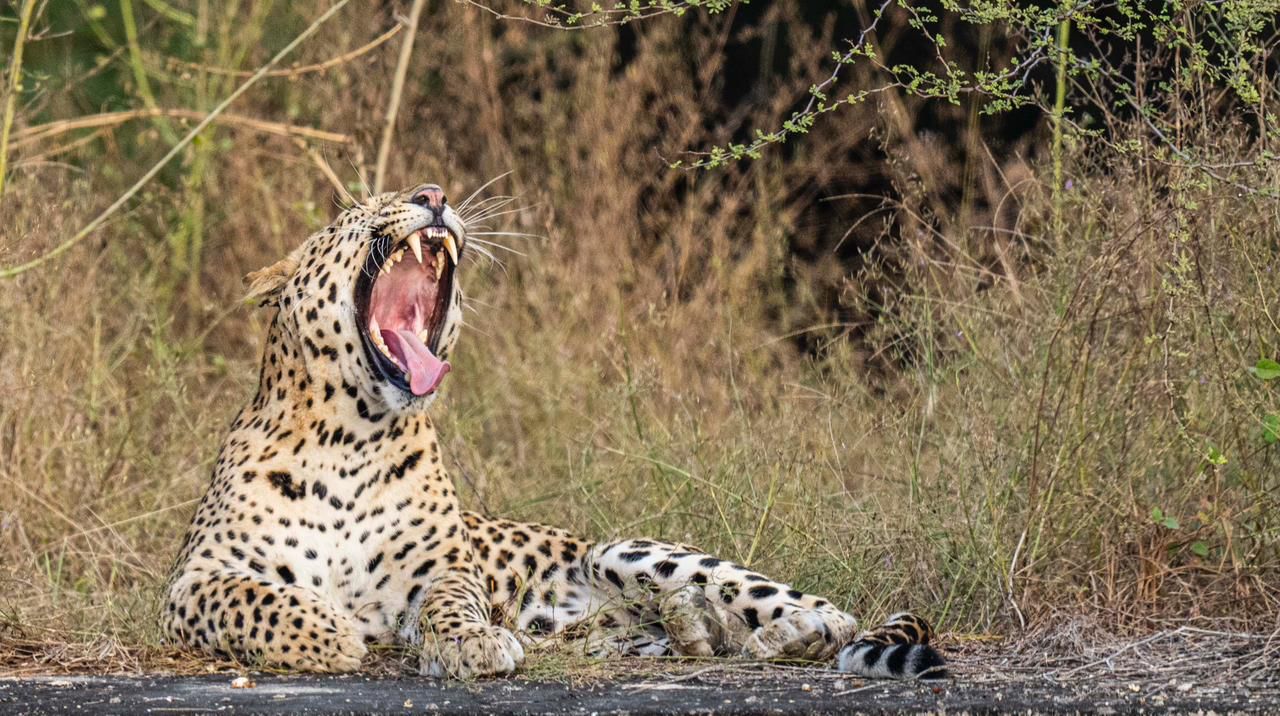
      • Leopards are solitary and secretive animals. They are known for their agility, climbing skills, and remarkable hunting abilities, often stalking their prey from trees.
    3. What do leopards typically eat?
      • Leopards are opportunistic carnivores, and their diet includes a wide range of animals such as deer, smaller mammals, and sometimes even birds.
    4. How far away should we stay from a leopard if we spot one?
      • It’s important to maintain a safe distance of at least [mention appropriate distance] to avoid disturbing the leopard and ensuring your safety.
    5. What is the significance of leopards in this ecosystem?
      • Leopards play a crucial role in controlling the population of herbivores, which in turn helps maintain the balance of plant life and the overall ecosystem.
    6. Do leopards have any natural predators in this area?
      • Adult leopards are apex predators and usually have no natural predators, but their cubs might be vulnerable to larger carnivores like tigers or hyenas.

    General Safari Questions:

    1. Can you explain the purpose of the camouflage clothing we’re wearing?
      • Camouflage clothing helps us blend into the surroundings and reduces the chance of startling or disturbing the animals.
    2. How do you track animals during the safari?
      • Our guides are trained to read signs like tracks, scat, and calls, which help us locate and observe animals.
    3. Are there any safety precautions we should be aware of?
      • Staying inside the vehicle and following the guide’s instructions is essential to ensure your safety and not to disturb the animals.
    4. What should we do if we encounter a potentially dangerous animal?
      • In the rare event of encountering a potentially dangerous animal, such as a predator, the guide will ensure your safety by calmly and slowly moving away.
    5. How does the safari contribute to conservation efforts?
      • By experiencing wildlife in its natural habitat, guests gain a deeper understanding of the importance of conservation and supporting efforts to protect these ecosystems.
  • Frequently Asked Questions (FAQs) – Jhalana Leopard Safari

    Frequently Asked Questions (FAQs) – Jhalana Leopard Safari

    Frequently Asked Questions (FAQs) – Jhalana Leopard Safari

    1. What is Jhalana Leopard Safari?

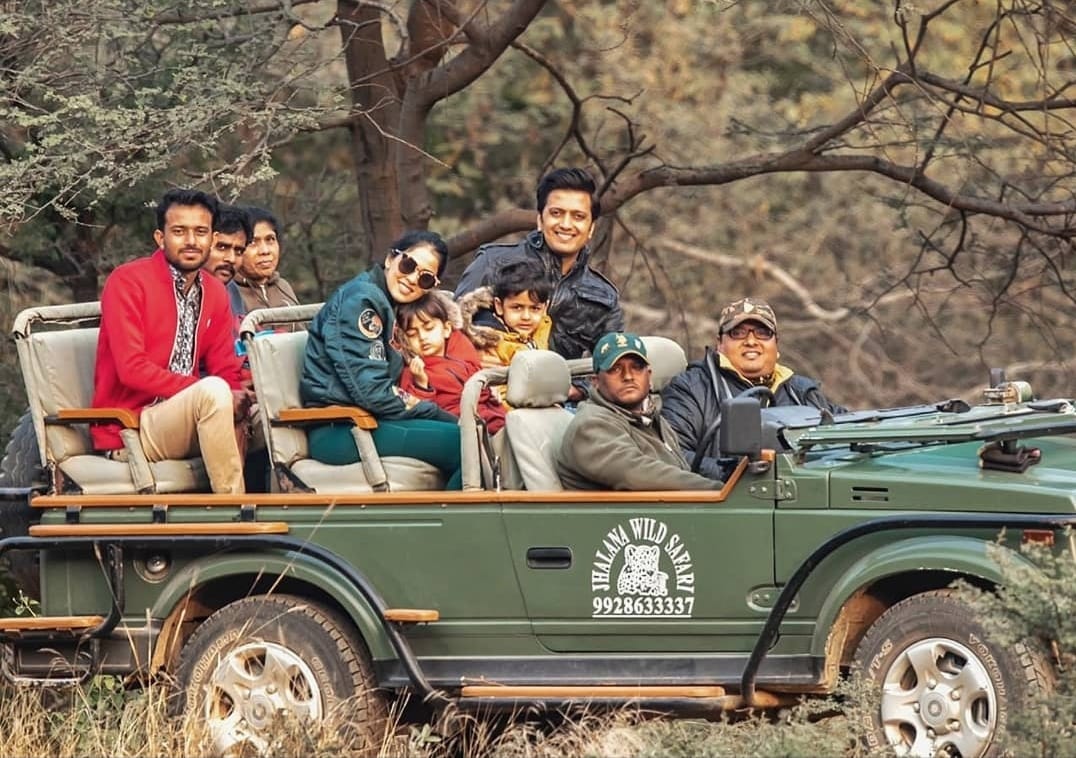
    Jhalana Leopard Safari offers thrilling wildlife jeep safaris in the heart of Jaipur, India. It provides a unique opportunity to witness leopards and other wildlife in their natural habitat.

    2. Where is Jhalana Leopard Reserve located?

    Jhalana Leopard Reserve is located in Jaipur, Rajasthan, India. It’s a surprising urban wilderness nestled within the city.

    3. What can I expect to see during the safari?

    Apart from leopards, you can encounter various wildlife species like deer, wild boars, and a diverse range of birdlife.

    4. How can I book a safari?

    You can book a safari through our website jhalanaleopardreserve.org or by contacting us directly through phone or email.

    5. What are the safari costs?

    The safari costs vary based on whether you choose an Indian or foreigner jeep, sharing or private jeep, and additional services like fort visits or pick-up/drop.

    6. Can I cancel a booked safari?

    Once a permit is booked, it cannot be canceled. This policy ensures a fair allocation of permits and maintains the safari schedule.

    7. What is the best time to visit?

    The best time to visit is from September to March when the jungles are lush, and leopard sightings are more frequent.

    8. Are children allowed on the safari?

    Yes, children are allowed, but we recommend adhering to safety guidelines and age restrictions for their safety.

    9. How many people can be accommodated in a jeep?

    Up to six people are allowed in one jeep, ensuring a comfortable and personalized safari experience.

    10. What is the duration of a safari?

    A typical safari lasts around 2.5 to 3 hours, allowing you ample time to explore the reserve.

    11. Is a guide provided during the safari?

    Yes, a naturalist guide accompanies the safari to provide insights about the wildlife, their behavior, and the ecosystem.

    12. Are photography and videography allowed?

    Yes, you can capture the captivating moments of the safari through photography and videography.

    13. Is the safari suitable for senior citizens and differently-abled individuals?

    The safaris are off-road experiences and might involve some bumpy rides. It’s advisable to consider physical limitations before booking.

    14. Can I customize my safari experience?

    While the safari routes are predefined, you can choose various options like private or shared safaris, specific timings, and additional services.

    15. Is there a chance of not seeing any leopards?

    Wildlife sightings are unpredictable, but our experienced guides increase the chances of spotting leopards. However, seeing other wildlife and enjoying the natural beauty is also rewarding.

    For any other queries or specific concerns, feel free to contact us directly. We’re here to make your Jhalana Leopard Safari experience truly unforgettable!

  • Unveiling the History: Jhalana Leopard Reserve’s Journey Through Time

    Unveiling the History: Jhalana Leopard Reserve’s Journey Through Time

    Nestled in the heart of the bustling city of Jaipur, Jhalana Leopard Reserve stands as a testament to the harmonious coexistence of urban life and the natural world. This unique haven for wildlife enthusiasts and nature lovers is not only a sanctuary for the elusive leopards but also a living embodiment of history and conservation efforts.

    The Origins:

    The history of Jhalana Leopard Reserve dates back to a time when the need for wildlife preservation became increasingly urgent. Established in 1940, the reserve was born out of a vision to protect the region’s biodiversity and create a safe habitat for the magnificent leopards that roamed the area. The lush forests, rocky terrain, and diverse ecosystems within the reserve’s boundaries made it an ideal sanctuary for these elusive creatures.

    Conservation and Preservation:

    From its inception, Jhalana Leopard Reserve has been dedicated to the cause of conservation. The reserve’s management and local authorities have collaborated to implement sustainable practices that ensure the well-being of the leopards and their habitat. This commitment has led to the establishment of protective measures, scientific research, and educational programs aimed at raising awareness about the importance of these majestic animals.

    The Urban Wilderness:

    One of the most intriguing aspects of Jhalana Leopard Reserve is its unique urban location. Situated within the boundaries of Jaipur, the reserve presents a remarkable example of wildlife coexisting with human habitation. Amidst the city’s vibrant energy, the reserve offers a refuge where leopards can thrive in their natural environment, showcasing the possibility of harmonious urban-wildlife interactions.

    Historical Significance:

    Beyond its conservation efforts, Jhalana Leopard Reserve is steeped in historical significance. The region’s history is interwoven with tales of royal hunts and the reverence for nature that prevailed through generations. The reserve’s lands have witnessed the ebb and flow of time, and the preservation of its ecosystems stands as a tribute to the past and a promise for the future.

    The Journey Continues:

    Today, Jhalana Leopard Reserve continues its journey as a beacon of conservation and biodiversity. It welcomes visitors from across the world to experience the thrill of leopard sightings and to witness the intricate tapestry of nature’s wonders. The reserve’s guided safaris, knowledgeable naturalists, and commitment to responsible tourism ensure that guests leave not only with unforgettable memories but also with a renewed sense of respect for the delicate balance of life on Earth.

    In the heart of Jaipur, the history of Jhalana Leopard Reserve unfolds, reminding us that even in the midst of urbanization, the call of the wild persists. As we explore this sanctuary, we connect with the past, embrace the present, and take a step toward safeguarding the future of our planet’s diverse and awe-inspiring creatures.

  • Jhalana Leopard Reserve vs. Amagarh Leopard Reserve: Comparing Two Wildlife Gems

    Jhalana Leopard Reserve vs. Amagarh Leopard Reserve: Comparing Two Wildlife Gems

    India’s wilderness is home to a myriad of fascinating wildlife, and the country’s leopard reserves provide a glimpse into the elusive world of these majestic big cats. Two prominent leopard reserves in India, Jhalana Leopard Reserve and Amagarh Leopard Reserve, offer distinct experiences for nature enthusiasts and wildlife lovers. Let’s compare these two captivating destinations and explore what sets them apart.

    Location and Setting:

    Jhalana Leopard Reserve, nestled in the heart of Jaipur, the Pink City of India, surprises visitors with its urban wilderness. Despite being surrounded by the city’s hustle and bustle, Jhalana creates a haven for leopards amidst its rocky terrains, lush vegetation, and diverse wildlife. This unique juxtaposition of nature and civilization adds a touch of intrigue and accessibility to the reserve.

    In contrast, Amagarh Leopard Reserve enchants visitors with its remote and pristine location. Situated in [Location], the reserve immerses visitors in a secluded wilderness, away from the distractions of urban life. Its rugged landscapes, dense forests, and rocky outcrops create an ideal habitat for leopards and other wildlife species.

    Leopard Density and Sightings:

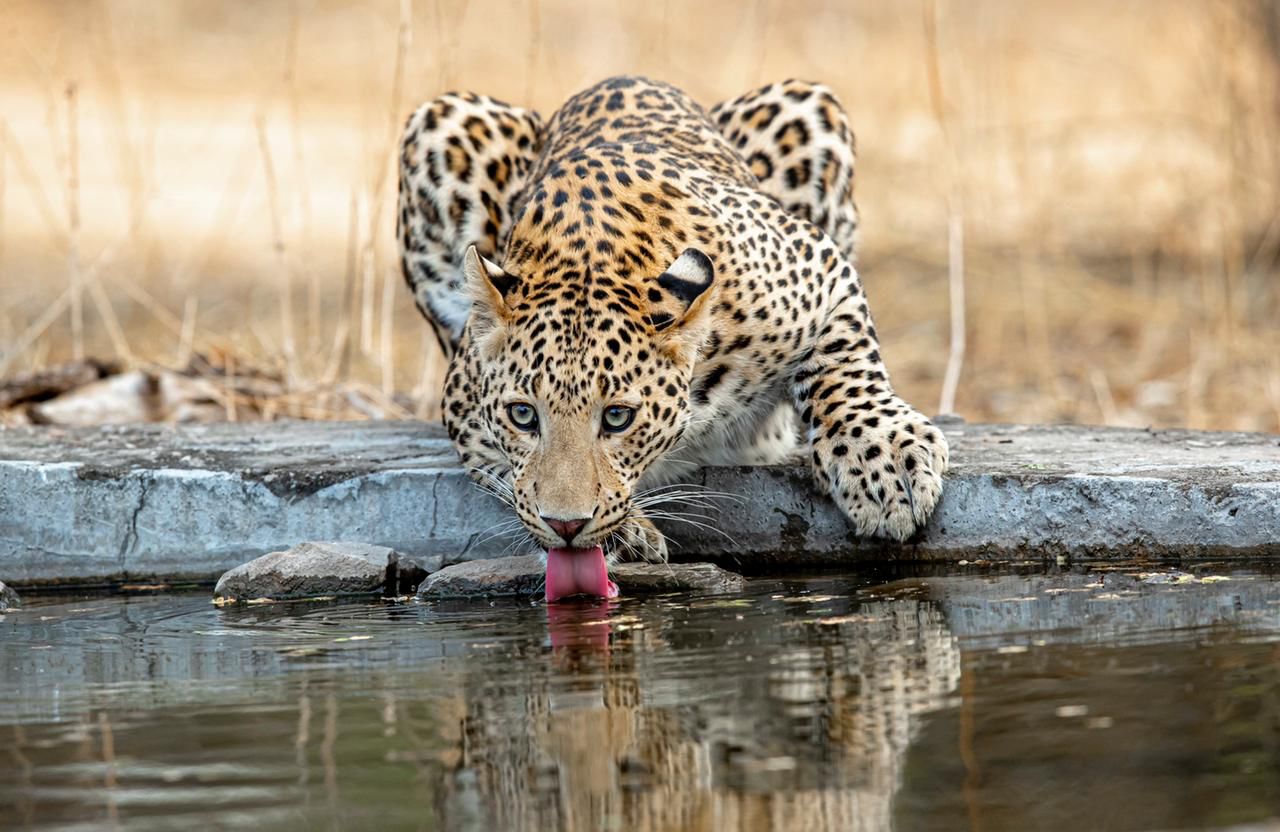
    Jhalana Leopard Reserve may be relatively small in size, but it boasts a remarkable population of leopards. The reserve’s high density of leopards increases the chances of sightings during guided jeep safaris. Visitors to Jhalana have the opportunity to witness the stealthy movements and behavior of these majestic cats, capturing rare and awe-inspiring moments.

    Amagarh Leopard Reserve, known for its dense leopard population, provides a higher probability of spotting these elusive felines. Its vast expanse and suitable leopard habitat make it a favored destination for wildlife enthusiasts seeking unforgettable leopard encounters. Exploring the reserve’s winding trails and observing leopards in their natural habitat is a thrilling experience.

    Wildlife Diversity:

    While Jhalana Leopard Reserve primarily focuses on leopards, it surprises visitors with its diverse avian population and other wildlife species. Birdwatchers can delight in the vibrant birdlife, with numerous species gracing the skies. The reserve also supports a variety of deer species, wild boars, and other small mammals, showcasing the interconnectedness of its ecosystem.

    Amagarh Leopard Reserve offers not only the chance to witness leopards but also encounters with a diverse range of wildlife. Visitors may come across species such as [List of notable wildlife species]. Exploring the reserve’s untamed landscapes reveals a tapestry of biodiversity, highlighting the harmonious coexistence of flora and fauna.

    Safari Experience:

    Jhalana Leopard Reserve‘s proximity to Jaipur allows for convenient access and shorter travel times, making it an ideal choice for those seeking a quick wildlife escape. Guided jeep safaris within the reserve provide an immersive experience, with knowledgeable guides sharing insights about leopards, their behavior, and conservation efforts.

    Amagarh Leopard Reserve, with its remote location, offers a more secluded and off-the-beaten-path experience. The reserve’s tranquil ambiance and untouched wilderness create a sense of adventure and exploration. Visitors can savor the thrill of venturing into the heart of nature, encountering leopards and other wildlife in their natural habitat.

    In conclusion, Jhalana Leopard Reserve and Amagarh Leopard Reserve each possess their own unique charm. Jhalana’s urban wilderness and impressive leopard population offer an accessible and captivating experience, while Amagarh’s remote location and rich biodiversity provide a serene and immersive encounter with nature. Whichever reserve you choose, prepare to be captivated by the raw beauty and magnificence of leopards in their natural element.

  • Amagarh Leopard Safari: Unleash the Wild Wonder

    Amagarh Leopard Safari: Unleash the Wild Wonder

    Nestled in the heart of wilderness, Amagarh Leopard Safari offers an extraordinary experience for wildlife enthusiasts and adventure seekers. Located in a pristine forest reserve, this safari destination promises an encounter with one of nature’s most elusive and captivating creatures – the leopard.

    Picture this: you embark on a guided jeep safari, venturing deep into the enchanting realm of Amagarh Leopard Reserve. The air is thick with anticipation as you navigate through winding trails, surrounded by dense foliage and the symphony of nature’s calls.

    As the safari progresses, your expert guide shares captivating insights about the reserve, its biodiversity, and the majestic leopards that call it home. These knowledgeable guides have an innate understanding of the leopards’ behaviors, habits, and their role in maintaining the delicate balance of the ecosystem.

    Amagarh Leopard Reserve is renowned for its high density of leopards, making it an ideal destination for those seeking a close encounter with these elusive big cats. With heightened senses and razor-sharp instincts, leopards effortlessly blend into their surroundings, becoming masters of camouflage. However, with the guidance of experienced trackers, your chances of spotting these majestic creatures increase significantly.

    Imagine the thrill as you catch your first glimpse of a leopard stealthily moving through the undergrowth, its sleek and powerful form a testament to its adaptability and survival skills. Witnessing these graceful predators in their natural habitat is an awe-inspiring sight that leaves an indelible mark on your soul.

    Beyond leopards, Amagarh Leopard Safari offers an opportunity to witness a plethora of wildlife species. Deer, wild boars, antelopes, and various bird species inhabit this diverse ecosystem, adding to the richness of your safari experience.

    Photography enthusiasts will find themselves in paradise, as every moment presents a captivating frame. Capture the raw beauty of leopards, the mesmerizing play of light and shadow, and the untamed spirit of the wilderness. These photographs will become treasured memories of an unforgettable journey into nature’s embrace.

    Amagarh Leopard Safari prides itself on its commitment to wildlife conservation and sustainable tourism practices. By choosing this safari, you contribute to the preservation of these incredible creatures and their habitat, ensuring future generations can also experience the magic of the wild.

    So, are you ready to embark on a thrilling adventure into the realm of leopards? Amagarh Leopard Safari awaits, ready to reveal the secrets of the wild and leave you with memories that will last a lifetime.