About the Jungle:
- What types of animals can we expect to see here?
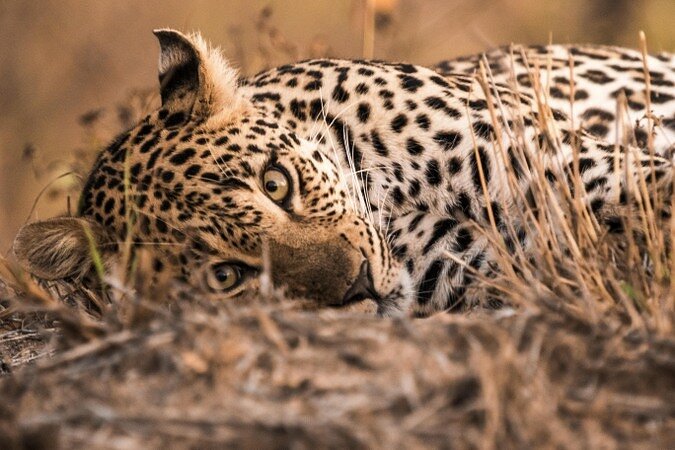
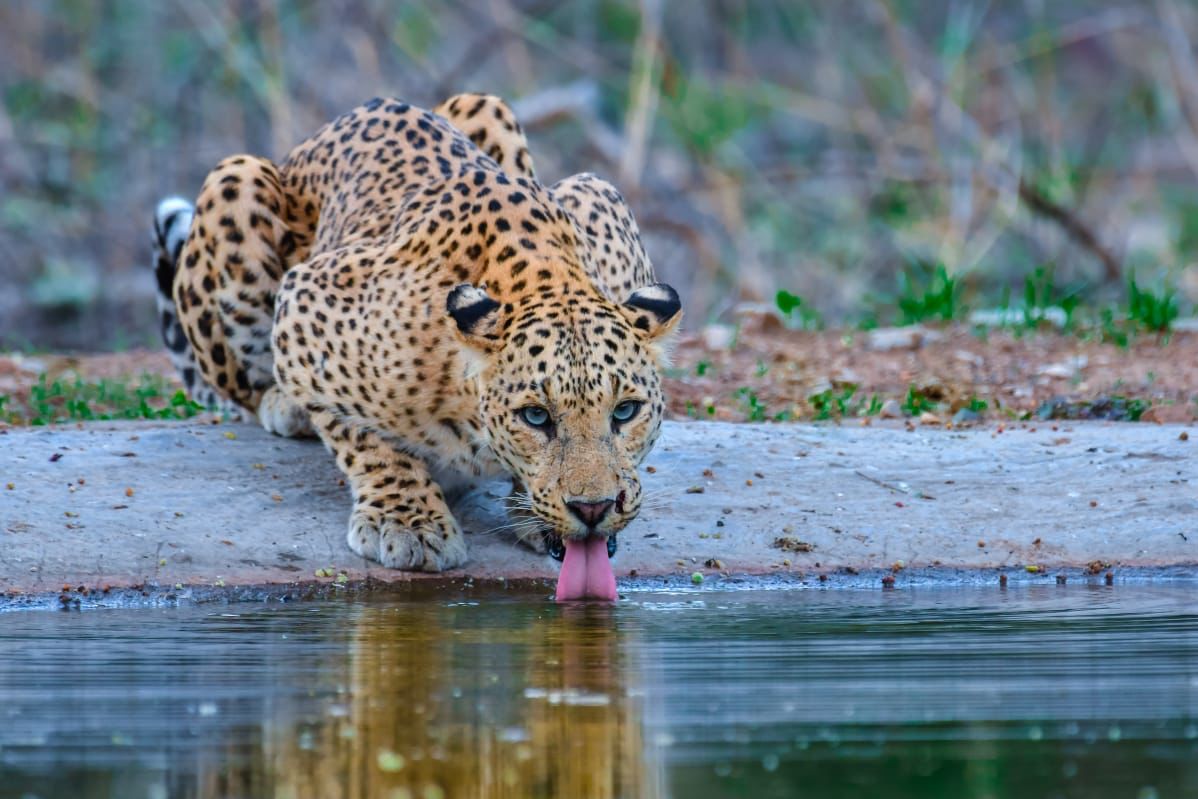
- You can expect to see a variety of animals such as leopards, hyena , fox deer species like chital and sambar, and a diverse range of bird species.
- Are there any specific plants or trees that are unique to this area?
- Yes, the jungle is home to unique plant species like Dhok trees,Flora and fauna . which are adapted to the local climate and provide food and shelter for the wildlife.
- How does the jungle change during different seasons?
- The jungle undergoes seasonal changes in terms of vegetation, animal behavior, and even the presence of migratory birds. For instance, during the monsoon, the jungle becomes lush and vibrant.
- What role does this jungle play in the local ecosystem?
- The jungle is a crucial habitat for various species, contributing to the biodiversity of the area. It helps maintain a balance in the ecosystem by providing food, shelter, and breeding grounds for animals.
- Are there any specific sounds or calls of animals we should listen for?
- Listen for the calls of birds like the Indian Peafowl and different alarm calls of animals, which might indicate the presence of predators nearby.
- What adaptations do animals have to survive in this environment?
- Animals have evolved various adaptations, such as camouflage, keen senses, and specialized diets, to survive in the jungle. Leopards, for instance, have powerful limbs for climbing trees and sharp senses for hunting.
About Leopards:
- What’s the likelihood of spotting a leopard during this safari?
- While leopard sightings can’t be guaranteed due to their elusive nature, the reserve has a healthy population, increasing the chances of a sighting.
- How do leopards behave in the wild?
- Leopards are solitary and secretive animals. They are known for their agility, climbing skills, and remarkable hunting abilities, often stalking their prey from trees.
- What do leopards typically eat?
- Leopards are opportunistic carnivores, and their diet includes a wide range of animals such as deer, smaller mammals, and sometimes even birds.
- How far away should we stay from a leopard if we spot one?
- It’s important to maintain a safe distance of at least [mention appropriate distance] to avoid disturbing the leopard and ensuring your safety.
- What is the significance of leopards in this ecosystem?
- Leopards play a crucial role in controlling the population of herbivores, which in turn helps maintain the balance of plant life and the overall ecosystem.
- Do leopards have any natural predators in this area?
- Adult leopards are apex predators and usually have no natural predators, but their cubs might be vulnerable to larger carnivores like tigers or hyenas.
- Can you explain the purpose of the camouflage clothing we’re wearing?
- Camouflage clothing helps us blend into the surroundings and reduces the chance of startling or disturbing the animals.
- How do you track animals during the safari?
- Our guides are trained to read signs like tracks, scat, and calls, which help us locate and observe animals.
- Are there any safety precautions we should be aware of?
- Staying inside the vehicle and following the guide’s instructions is essential to ensure your safety and not to disturb the animals.
- What should we do if we encounter a potentially dangerous animal?
- In the rare event of encountering a potentially dangerous animal, such as a predator, the guide will ensure your safety by calmly and slowly moving away.
- How does the safari contribute to conservation efforts?
- By experiencing wildlife in its natural habitat, guests gain a deeper understanding of the importance of conservation and supporting efforts to protect these ecosystems.